

Northeast USA, January 26, 2015 – With Winter Storm Juno forecast to impact this region Monday evening into Tuesday, HOPE worldwide Disaster Services staff are on alert and are prepared to support local HOPE worldwide Chapters affected by storm-related emergencies, as needed.
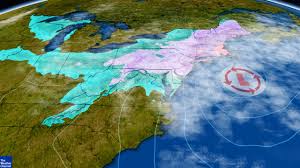 As with any disaster, preparation can be the difference between life and death. HOPE worldwide is urging disciples/volunteers to be prepared—not only for the snow, but for cold temperatures and possible power outages. Additionally, extreme weather increases the risk of home fires. Below are some resources to help residents stay safe.
Emergency supplies
Prior to the storm, make sure you have emergency supplies on hand in your home.
Critical supplies include food, water, flashlights, batteries, a first aid kit, baby supplies, medication, pet supplies, a crank radio, cash and cell phone chargers.
Make sure your cell phones are charged.
Winter storm/cold weather safety
Listen to a NOAA Weather Radio or other local news channels for critical information on snow storms and blizzards from the National Weather Service (NWS).
Avoid driving when conditions include sleet, freezing rain, snow or dense fog.
If travel is necessary, make sure you have a disaster supplies kit in your vehicle which includes: shovel, blanket, flashlight, water, snacks, first aid kit, extra batteries, sack of sand or cat litter.
Keep the gas tank full. A full tank will keep the fuel line from freezing.
Before tackling strenuous tasks in cold temperatures, consider your physical condition, the weather factors and the nature of the task.
When shoveling snow, take frequent breaks to avoid risk of injury or cardiac arrest.
Protect yourself from frostbite and hypothermia by wearing warm, loose-fitting, lightweight clothing in several layers. Stay indoors, if possible.
Bring pets inside during winter weather.
Make sure coats, gloves or mittens, hats, boots and warm clothing are available for all household members, along with extra blankets.
Eat regular meals and stay hydrated, but avoid caffeinated or alcoholic beverages.
Home heating safety
Heating fires are the second-leading cause of home fires.
Keep all potential sources of fuel like paper, clothing, bedding or rugs at least three feet away from space heaters, stoves, or fireplaces.
Portable heaters and fireplaces should never be left unattended. Turn off space heaters and make sure any embers in the fireplace are extinguished before going to bed or leaving home.
If you must use a space heater, place it on a level, hard and nonflammable surface (such as ceramic tile floor), not on rugs or carpets or near bedding or drapes. Keep children and pets away from space heaters.
Never use a cooking range or oven to heat your home.
Keep the fire in your fireplace by using a glass or metal fire screen large enough to catch sparks and rolling logs.
Power outage safety
Use flashlights for light, not candles.
Keep the refrigerator and freezer doors closed as much as possible. Check refrigerated food for spoilage and if in doubt, throw it out. Your refrigerator will keep cold for about 4 hours. If the freezer is full, it will keep its temperature for about 48 hours.
Have coolers on hand and surround your food with ice in the cooler or refrigerator to keep food cold for a longer period. Keep the refrigerator and freezer doors closed as much as possible.
Turn off and unplug all unnecessary electrical equipment and any appliances, equipment or electronics to avoid damaging them when the power is restored.
Avoid unnecessary travel as traffic lights will be out, and roads congested.
Watch animals and keep them under your direct control.
The eldery/sick and infirmed
Please be aware of the needs of elderly relatives, friends, and neighbors during severe weather threats.
Assist if you can with the removal of snow and ice from steps, sidewalks and active outdoor areas. A slip and fall from the ice and snow conditions could leave the elderly in extreme potential for serious injury. The use of salt and sand would be the best option if available.
A senior’s circulation decreases with age. Encourage your senior to dress in layers and wear an extra sweater or sweatshirt.
Monitor the thermostat. Check with your senior to make sure that they’re keeping the thermostat at 65 degrees during the cold weather. Older adults are particularly susceptible to hypothermia, which can develop over a few days and weeks even in the mildly cool indoor temperatures of 60 to 65 degrees.
Stay in touch. Check on your neighbor or loved one frequently during periods of cold and snowy weather.
Build a network. You can’t always be around to help your elderly loved one. Call on neighbors, family and church members.
Using a generator
If someone is planning to use a generator, never use it indoors, including in a garage, carport, basement, crawlspace or other area, even with ventilation. Generators put off carbon monoxide fumes, which can be deadly.
For more information on emergency preparedness, visit www.redcross.org/prepare.
We will have the details of shelter openings beginning tomorrow. Please contact our Disaster Services Team if you need anything. Be safe!Angelo Damiano | National Director of Disaster Services
HOPE worldwide | Headquarters
1285 Drummers Lane, Suite 105 | Wayne, PA 19087
Cell: 551-574-0985
This email address is being protected from spambots. You need JavaScript enabled to view it.">This email address is being protected from spambots. You need JavaScript enabled to view it.
www.HOPEww.org
Dave Tomlinson | National Disaster Services Consultant
HOPE worldwide | Headquarters
1285 Drummers Lane, Suite 105 | Wayne, PA 19087
Cell: 217-202-6841
This email address is being protected from spambots. You need JavaScript enabled to view it.">This email address is being protected from spambots. You need JavaScript enabled to view it.
This email address is being protected from spambots. You need JavaScript enabled to view it.">www.hopeww.org
"… Foresee danger and plan ahead…" -- Proverbs 22:3